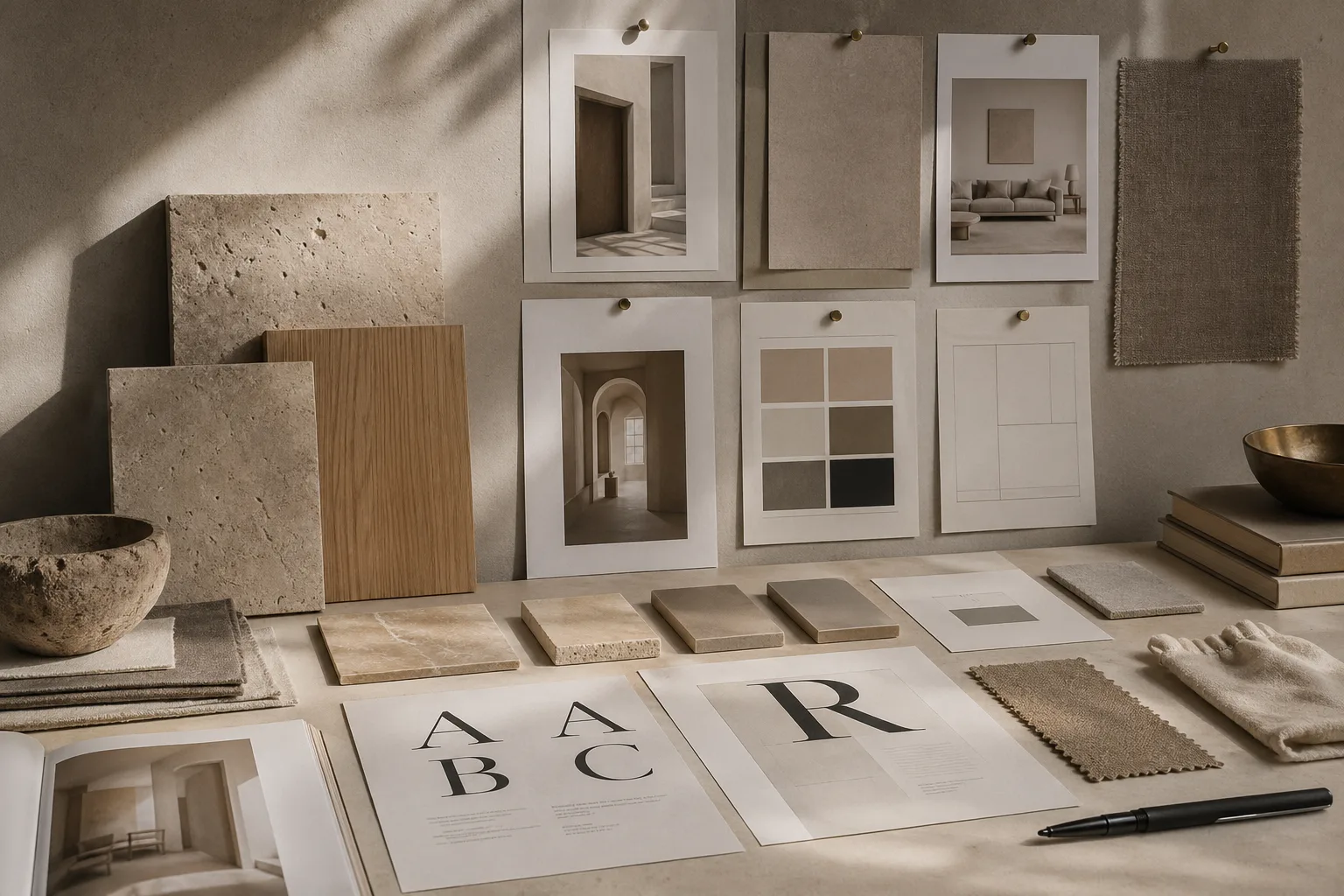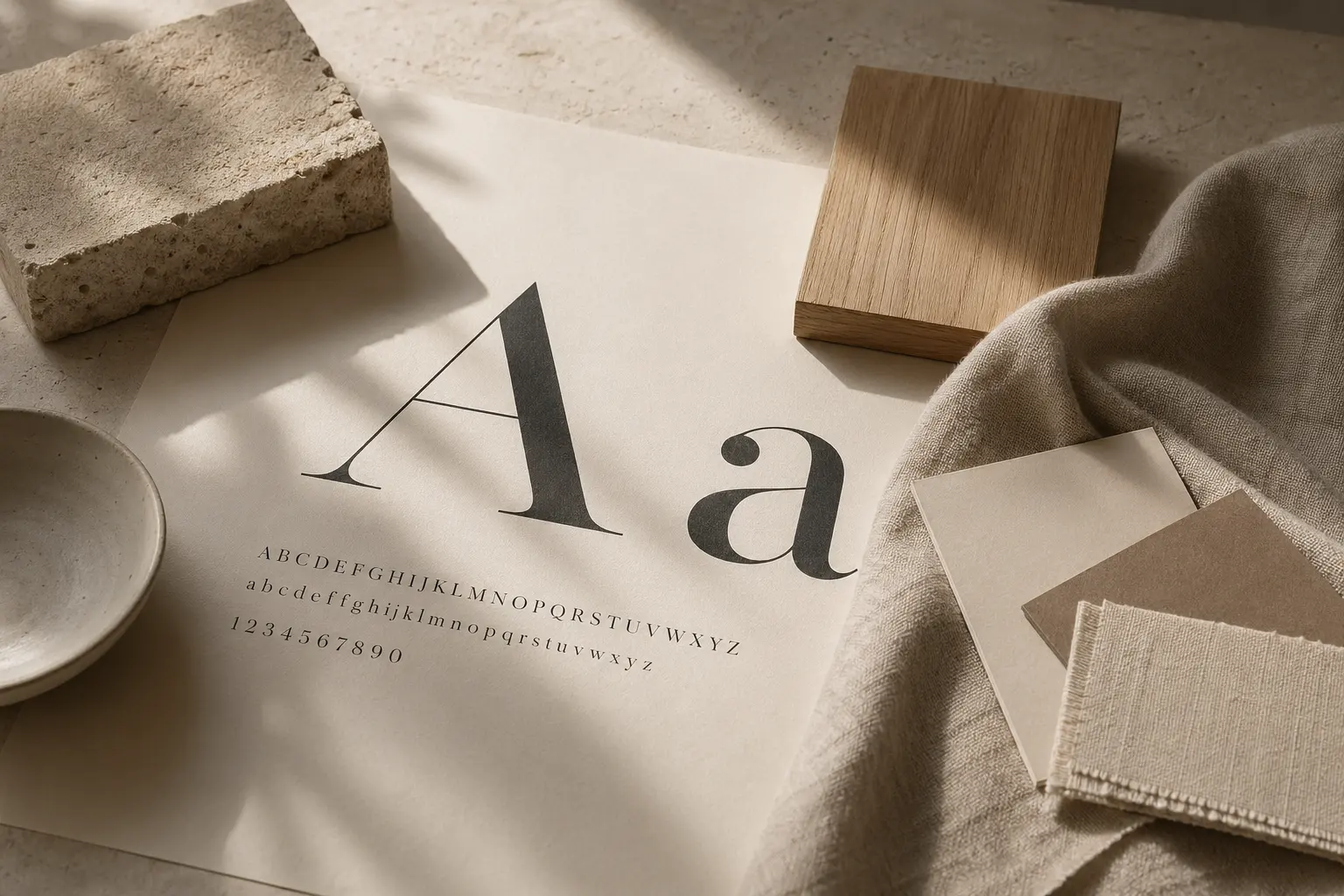
Typography is often described as a carrier of information, yet its first job is usually atmospheric. Before a reader decides whether a page feels calm, formal, flirtatious, clinical, or intimate, the letters have already done that emotional framing. A high-contrast serif can create ceremony, while a rounded grotesk can feel neighborly and immediate. In other words, type is not decoration added after meaning; it is part of the meaning.
In practical home design, visual clarity also depends on clean wall surfaces. If damaged drywall interrupts the room, professional Drywall Hole Repair in Irvine can restore the surface before paint, lighting, and typography-inspired interior details are finalized.
Reading Material, Light, and Perception Together
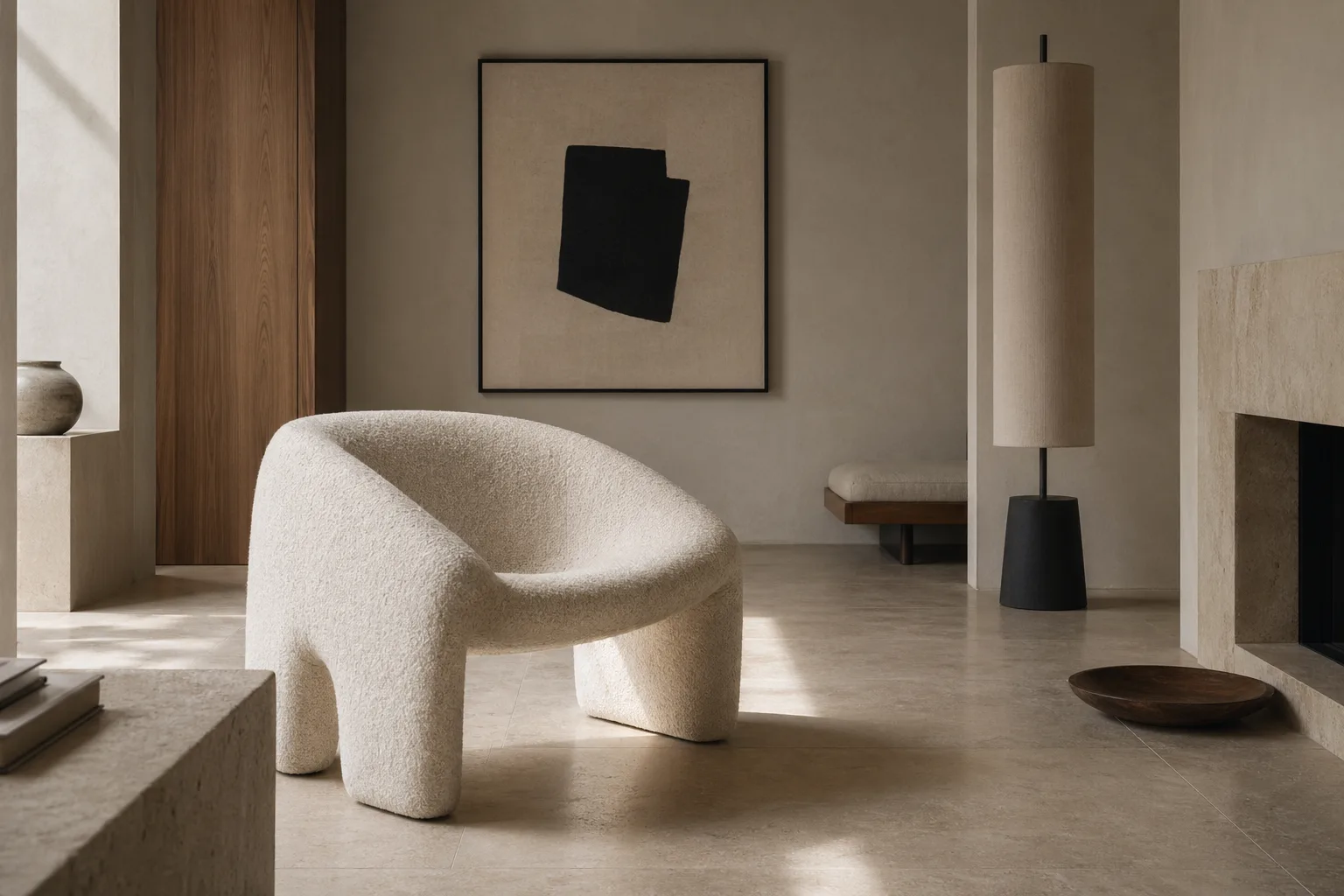
That same principle becomes even clearer when typography is considered alongside space. A restrained masthead, like the ones discussed in design continuity from print to interiors, behaves almost like an architectural threshold: it tells the eye how slowly to enter, where to pause, and how much seriousness to expect. Dense leading creates pressure, while generous margins lower the pulse and make attention feel voluntary rather than demanded.
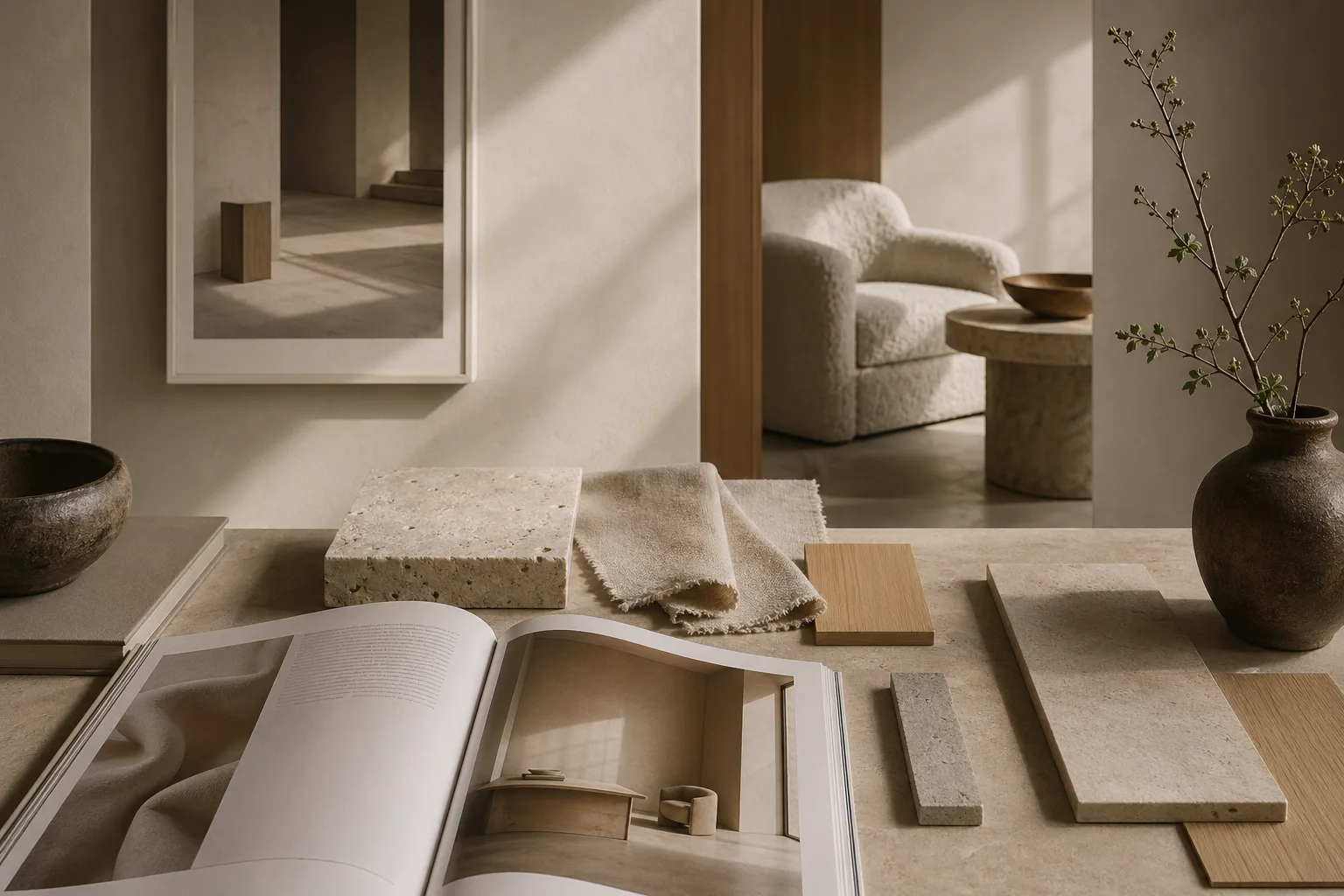
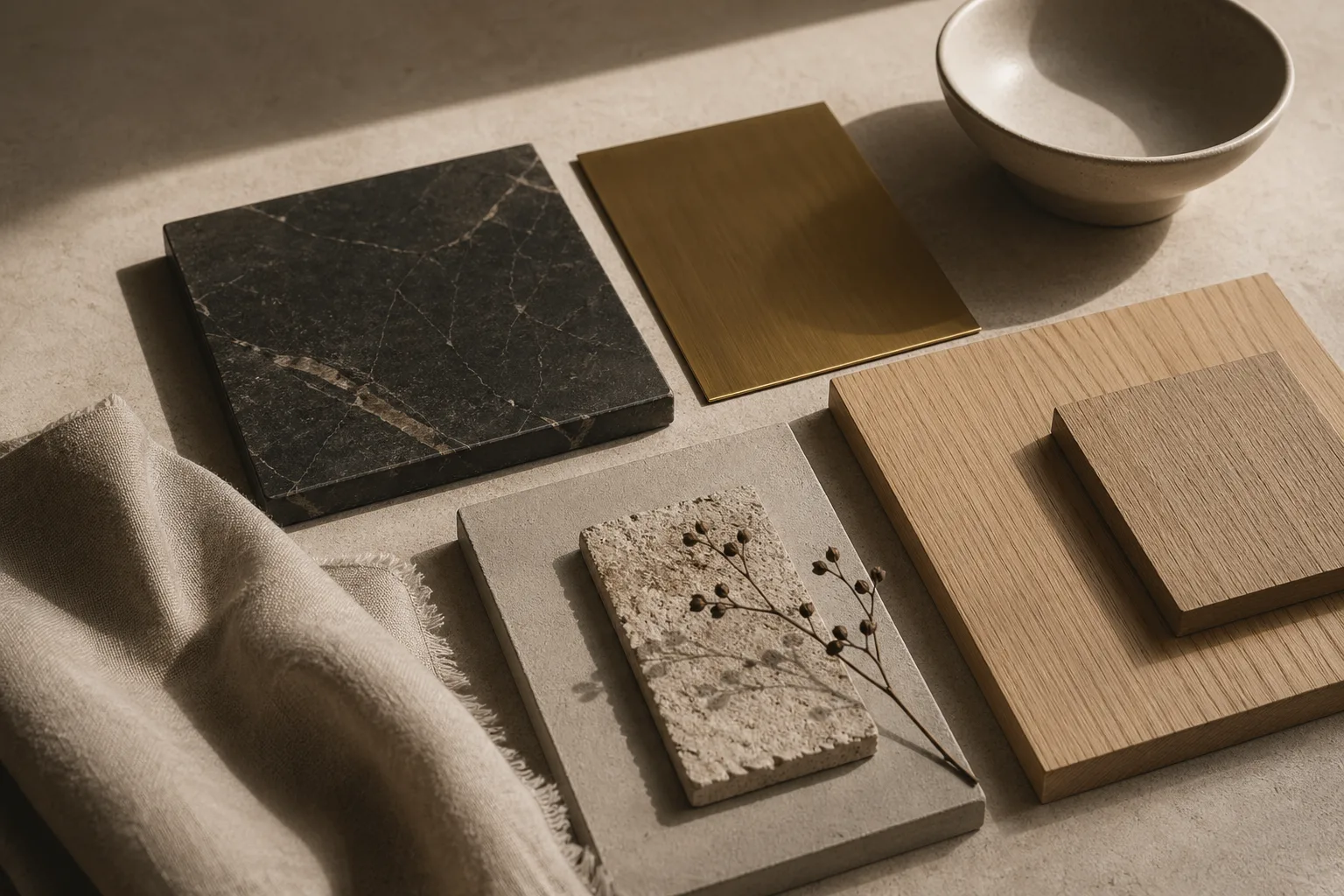
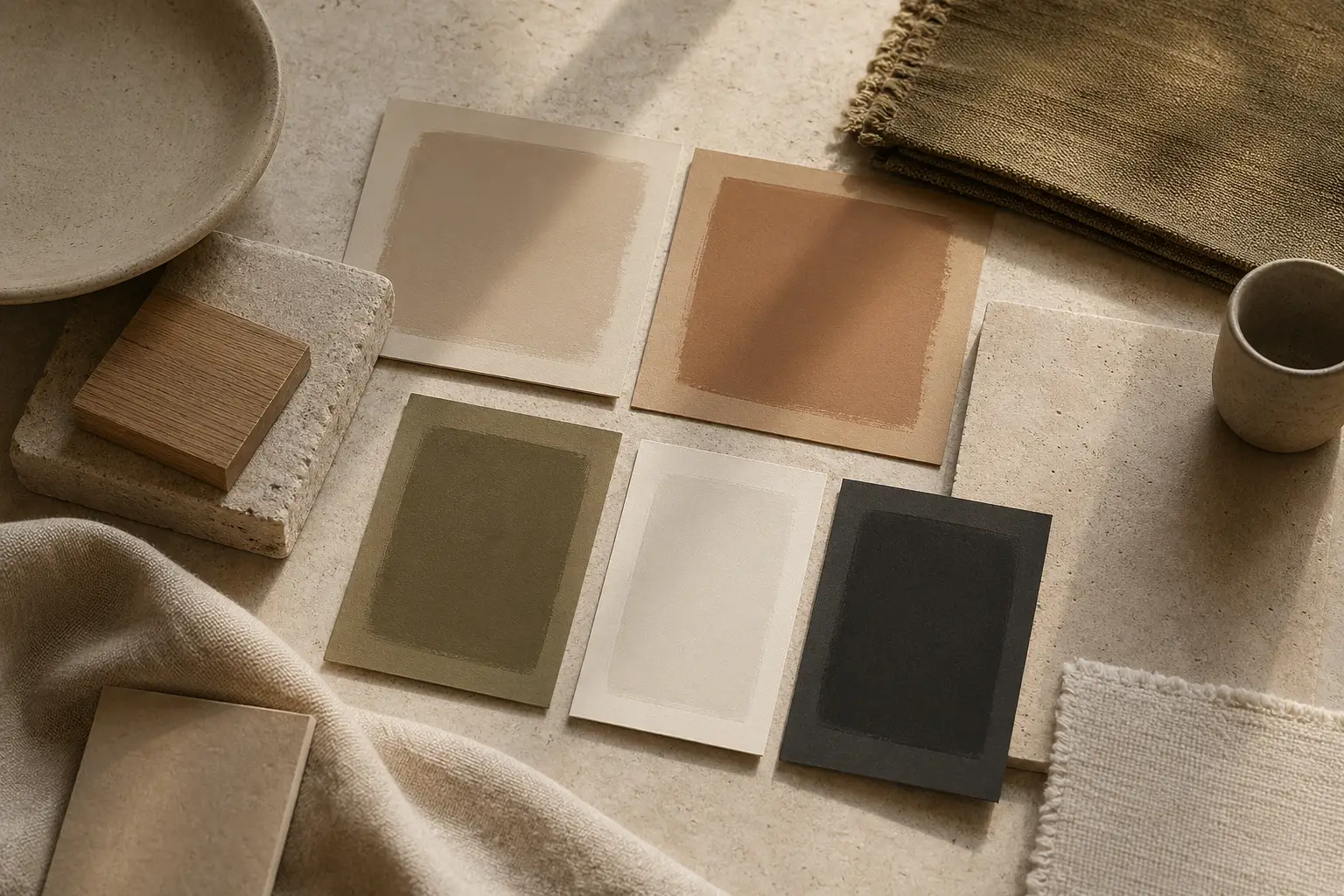
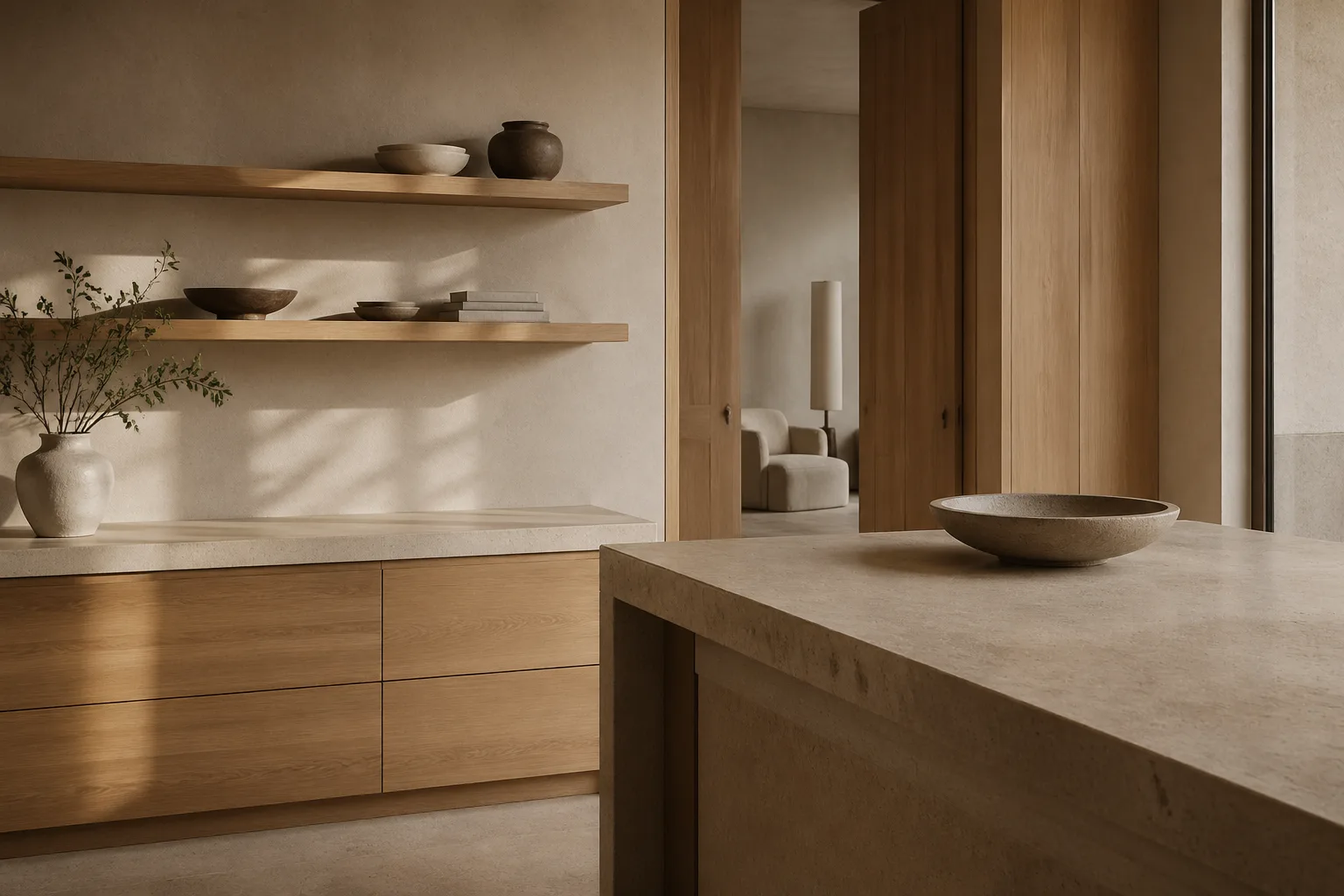
Material context also changes how a typeface is felt. Elegant letterforms paired with chalky plaster, pale wood, or brushed stone read differently than the very same characters printed over glossy acrylic or mirrored metal. This is why the conversation around visual weight in materials matters to typographers too. Surfaces do not simply hold type; they amplify or soften its social tone.
Even in digital spaces, emotional legibility depends on hierarchy, cadence, and contrast more than novelty. Thoughtful editorial systems borrow lessons from visual hierarchy in interiors: establish one clear focal note, let secondary elements breathe, and avoid competing accents. When every headline tries to perform, the page becomes loud rather than expressive. Emotional sophistication usually comes from restraint.
For a reader, the result is almost bodily. Certain pages make you lean in. Others ask you to skim, move, and process quickly. That response is why serious designers keep returning to type not as a nostalgic artifact but as a living system of perception. The same sensitivity that shapes a memorable spread can also inform color, light, and the clean visual order explored in modern surface design.
Where to Go Next
For a broader editorial map of the site, visit the about page, browse the latest writing on the homepage, or continue with linked essays on typography, color psychology, and cross-disciplinary design continuity.